Research Projects
Thomas Keating conducts research on nuclear waste governance, deep time infrastructures, and the long-term management of highly radioactive materials. His work examines how institutions, technologies, and civil society actors engage with the problem of responsibility across extended temporal horizons, often exceeding 100,000 years.
Managing Eternity? Nuclear Waste Governance and Deep Time Accountability
(Swedish Research Council Research Project Grant, 2025–2027; Total value: 4,872,000 kr)
Thomas is currently principal investigator on a Swedish Research Council funded project entitled “Managing Eternity? A study of accountability in the deep time management of Final Repositories for Nuclear Waste”, conducted in collaboration with Professor Steve Woolgar. The project examines how experts in Sweden and Finland are, in practice, managing the long-term stewardship of geological repositories for spent nuclear fuel.
Final repositories for nuclear waste are designed to remain secure for at least 100,000 years, presenting certain challenges for contemporary institutions tasked with ensuring accountability across long temporal horizons. While repository systems rely on highly technical engineering and geological expertise, their governance also requires the development of new organisational practices capable of transferring responsibility, knowledge, and oversight across generations.
Through empirical research with scientists, engineers, regulators, and institutional actors involved in repository planning, the project investigates how accountability is conceptualised and enacted in the present when the relevant timescales far exceed those of existing political, legal, and organisational structures.
For more information see project page.
Nuclear Diplomacy? Civil Society and Nuclear Waste Governance
(Mistra Research Project Grant, 2025–2027; Total value: 4,910,625 kr)
Thomas is also principal investigator on a Mistra-funded research project entitled “Nuclear Diplomacy? Strengthening Civil Society Involvement with Final Repositories for Nuclear Waste”, conducted with co-investigators Professor Anna Storm and Dr Jenny Sjöholm.
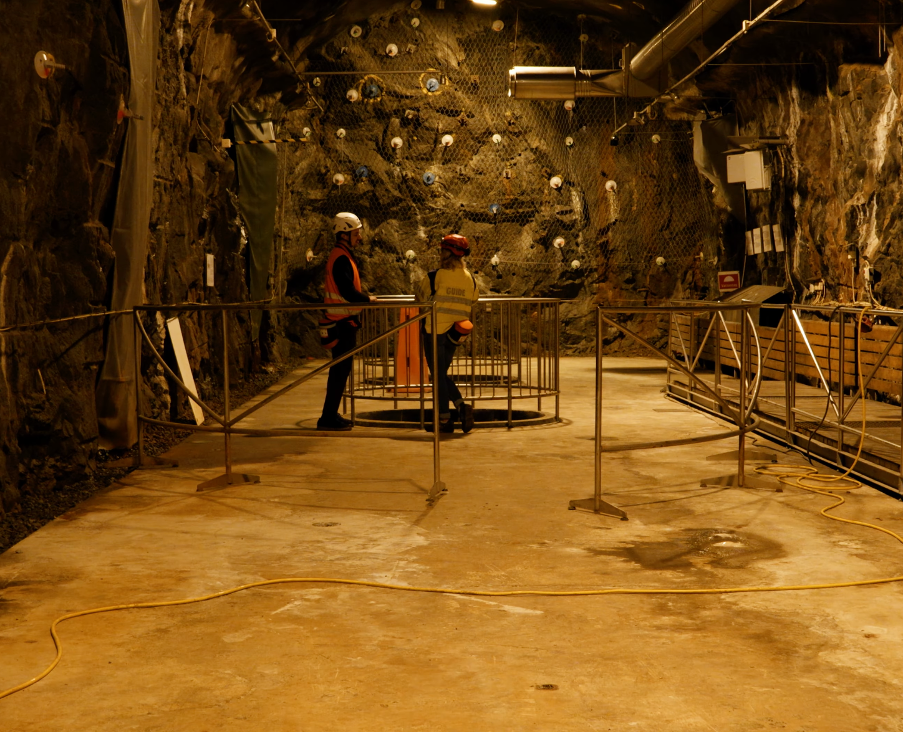
This project examines how civil society organisations participate in and contribute to expert planning processes surrounding Sweden’s final repository for spent nuclear fuel. Geological repositories are designed as long-term infrastructures intended to contain highly radioactive materials for up to 100,000 years.
The project investigates how non-expert actors engage with highly specialised knowledge about nuclear technology, geology, and long-term risk, and how participatory governance can be strengthened in relation to nuclear waste infrastructures.
For more information see project page.
Key Information File and Nuclear Memory in Deep Time Infrastructures
(Swedish Nuclear Fuel and Waste Management Company – SKB, 2023–2024; Total value: 1,200,000 kr)
Thomas was co-applicant, together with Professor Anna Storm, on a project extension commissioned by SKB focused on the publishing and implementation of a Key Information File for Sweden’s planned final repository for spent nuclear fuel.
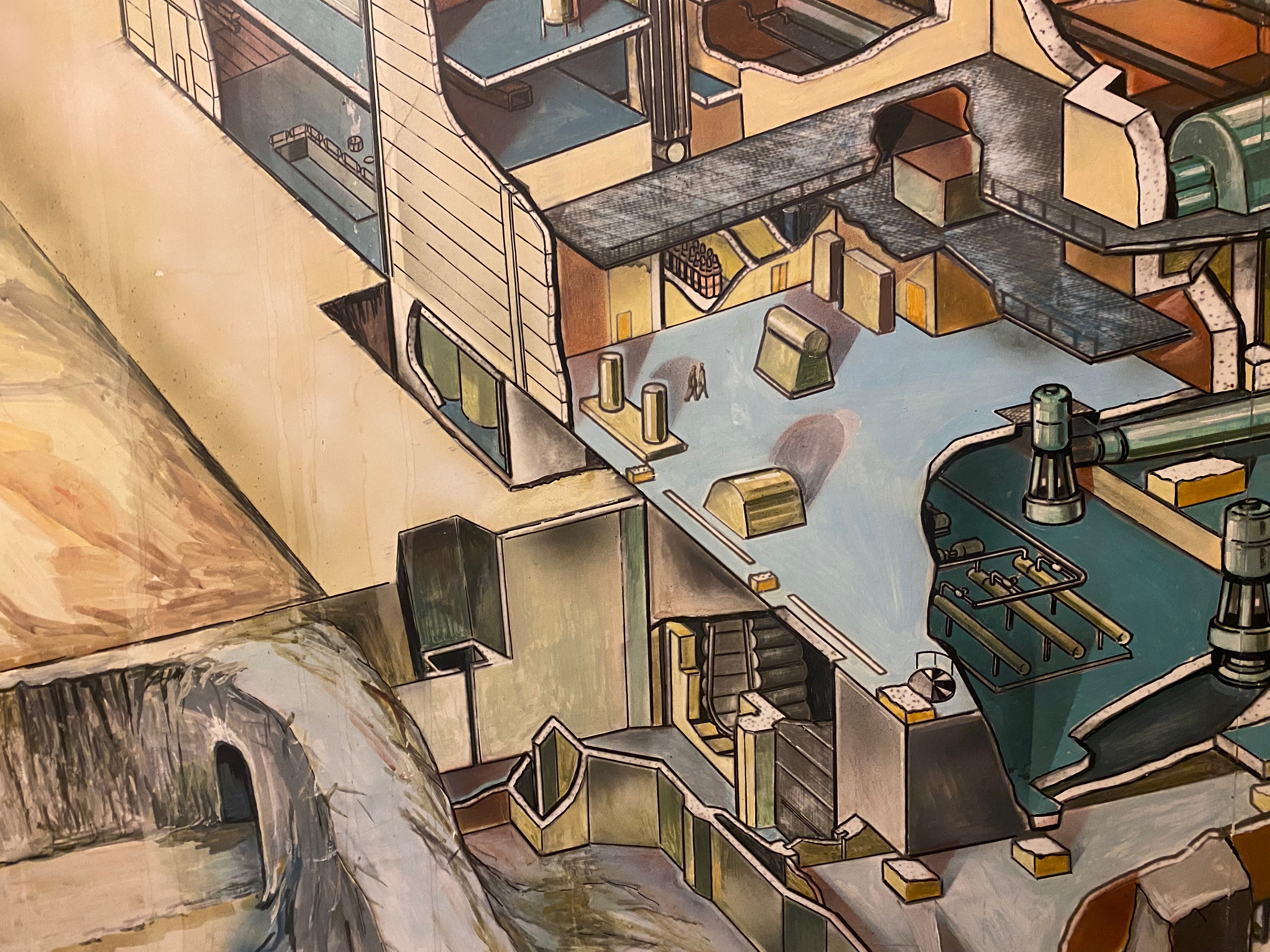
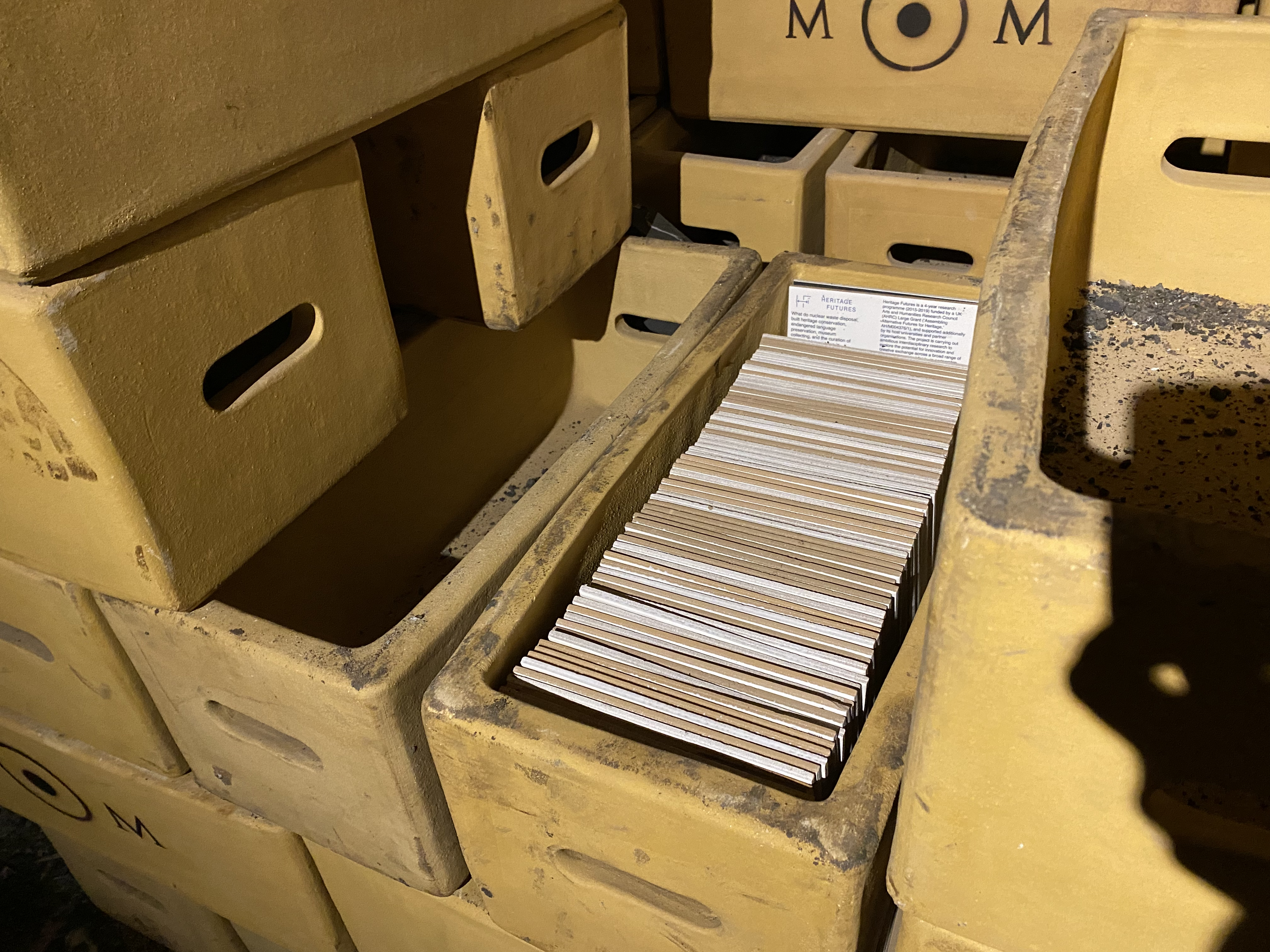
The project addressed how information about nuclear waste repositories can be communicated across deep time, ensuring intelligibility to future generations. The Key Information File forms part of a broader strategy for long-term knowledge preservation concerning nuclear waste infrastructures.
This research explored nuclear semiotics, temporality, and the governance of long-term knowledge systems in relation to radioactive waste.
For more information see Nuclear Memory project site.
PhD Research on Technology, Affect, and Subjectivity
(Economic and Social Research Council, 2012–2017; Total value: £75,812)
Thomas' doctoral research examined how technologies participate in the production of subjectivity and affect, drawing on the philosophy of Gilbert Simondon and Gilles Deleuze.
This work contributed to debates in human geography, science and technology studies, and the philosophy of technology.